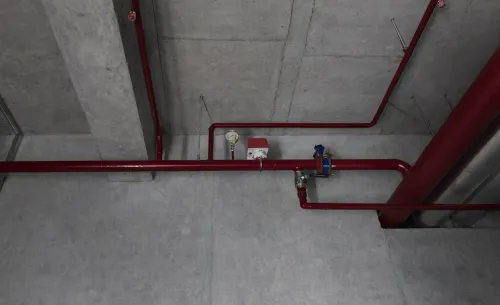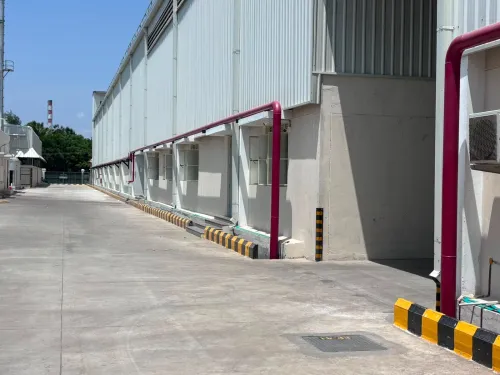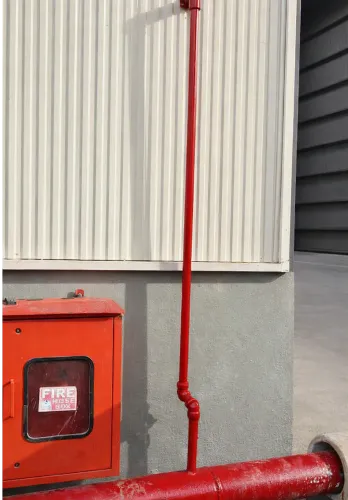

Introduction to Fire Hydrant Systems
A fire hydrant system is an essential component of fire protection in urban and industrial settings. These systems ensure a steady water supply to combat fires, providing crucial support to firefighting efforts. Understanding the various types and components of fire hydrant systems can help in choosing the right setup for your needs and ensuring optimal performance during emergencies.
Types of Fire Hydrant Systems
1. Wet Barrel Hydrant
A wet barrel hydrant has water in the hydrant body at all times. This type is common in areas where freezing is not a concern. Each outlet valve operates independently, allowing multiple hoses to be connected simultaneously.
2. Dry Barrel Hydrant
A dry barrel hydrant is designed for regions prone to freezing. The main valve is located below the frost line, and the hydrant body remains dry until activated. This design prevents water from freezing inside the hydrant.
3. Standpipe Systems
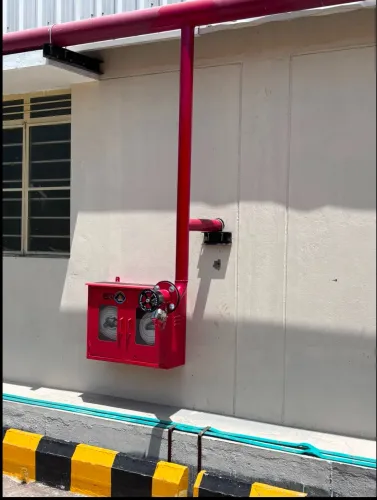
Standpipe systems are vertical water pipes installed in buildings, providing water for firefighting hoses. They are categorized into:
Class I: For fire department use with 2.5-inch hose connections.
Class II: For occupant use with 1.5-inch hose connections.
Class III: Combination of Class I and II systems.
Components of a Fire Hydrant System
1. Hydrant Valve
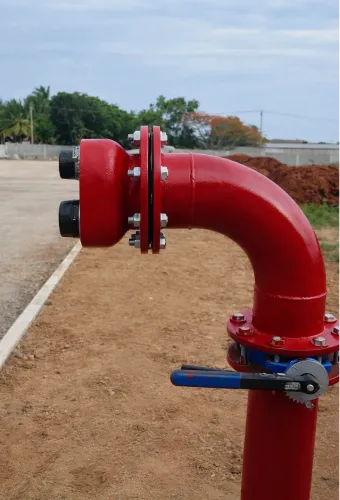
The valve controls water flow from the hydrant. In a wet barrel hydrant, each outlet has a valve, whereas a dry barrel hydrant has a single main valve.
2. Pumper Outlet
Also known as the steamer connection, this large diameter outlet allows connection to a fire engine's pump, providing a high volume of water.
3. Hose Connection
These smaller outlets connect directly to fire hoses, facilitating quick deployment and effective firefighting.
4. Fire Hose
A durable, flexible hose designed to carry water to extinguish fires. Hoses come in various diameters and lengths, tailored to different firefighting scenarios.
5. Nozzle
The nozzle controls the water flow and spray pattern, aiding firefighters in directing the water effectively onto the fire.
Installation and Maintenance
Proper installation and regular maintenance of fire hydrant systems are crucial to ensure reliability and effectiveness. Key steps include:
Installation
Site Survey: Conduct a thorough site survey to determine the optimal locations for hydrants.
Compliance: Ensure all installations comply with local fire codes and standards.
Pressure Testing: Perform pressure tests to verify the system's ability to deliver adequate water flow.
Maintenance
Regular Inspections: Conduct routine inspections to check for leaks, blockages, and damage.
Flow Testing: Periodically test water flow to ensure hydrants deliver the required volume and pressure.
Lubrication: Lubricate all moving parts to prevent corrosion and ensure smooth operation.
Benefits of a Fire Hydrant System
1. Enhanced Firefighting Capability
A well-maintained fire hydrant system provides a reliable water source, enabling firefighters to control and extinguish fires more effectively.
2. Reduced Property Damage
Quick and efficient firefighting reduces the extent of fire damage, protecting buildings and valuable assets.
3. Increased Safety
A robust fire hydrant system enhances the safety of occupants and firefighters, ensuring prompt response during emergencies.
4. Insurance Benefits
Many insurance companies offer lower premiums for properties equipped with reliable fire protection systems, including fire hydrants.
Conclusion
Investing in a high-quality fire hydrant system is essential for safeguarding lives and property. By understanding the types, components, and maintenance requirements, you can ensure your fire hydrant system remains functional and effective in times of need. Regular inspections and adherence to safety standards will provide peace of mind and enhance the overall safety of your premises.
Call to Action
Ensure your fire hydrant system is up to date and functioning correctly. Contact a professional fire protection service today to schedule an inspection or upgrade your system. Your safety depends on it.
Keywords
Fire hydrant system, fire protection, wet barrel hydrant, dry barrel hydrant, standpipe systems, fire hose, fire safety, fire prevention, firefighting equipment, fire hydrant maintenance, fire safety tips.
Keywords